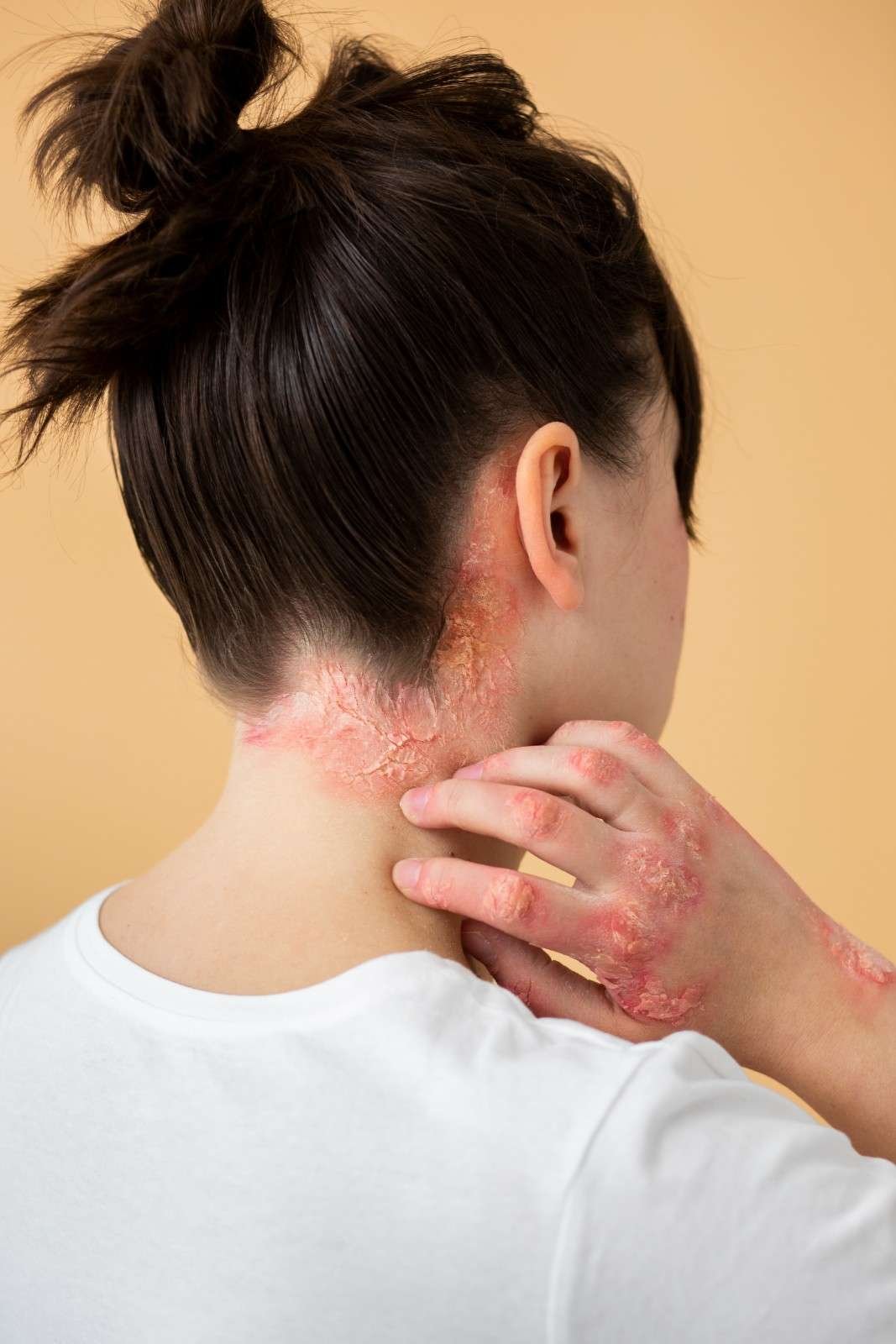
Psoriasis is a common, chronic skin condition that causes dry, scaly, and itchy patches on the skin. It can affect people of any age or gender and often appears on the elbows, knees, scalp, back, hands, feet, and nails. In more severe cases, it may also affect the joints, leading to psoriatic arthritis.
Dr. Neha Yadav
Psoriasis is a common, chronic skin condition that causes dry, scaly, and itchy patches on the skin. It can affect people of any age or gender and often appears on the elbows, knees, scalp, back, hands, feet, and nails. In more severe cases, it may also affect the joints, leading to psoriatic arthritis.
Recognizing early psoriasis symptoms helps in timely diagnosis and management. These include:
Red or silvery-white scaly patches
Persistent itching or burning sensation
Dry, cracked skin that may bleed
Thickened, pitted, or discolored nails
Dry, cracked skin that may bleed
Psoriasis can present in several forms, each requiring a tailored treatment approach:
Causes flaking, redness, and itching along the scalp and hairline.
An overlap of psoriasis and seborrheic dermatitis, common on the face and scalp.
Leads to pitting, thickening, or separation of the nail from the nail bed.
Dry, cracked, and inflamed patches affecting daily activities.
A rare, severe form causing widespread redness and skin shedding, requiring urgent medical attention.
Emotional stress
Stress releases inflammation-related hormones in the body, which can trigger a psoriasis flare-up.
Excessive alcohol consumption or smoking
Both weaken the immune system and increase skin inflammation, raising the risk of flare-ups.
An imbalanced metabolic profile
Conditions like obesity, high blood sugar, or high cholesterol increase inflammation in the body, which can trigger psoriasis.
Underlying infections
Infections such as strep throat can activate the immune system in a way that sets off a psoriasis flare.
Certain medication
Drugs like beta-blockers, antimalarials, or lithium can trigger psoriasis as a side effect.
Psoriasis is also linked to metabolic syndrome, increasing the risk of heart disease, diabetes, and obesity.
Beyond the physical symptoms, it often takes an emotional toll — contributing to social anxiety and depression, and significantly impacting quality of life.

At SKINETTE Clinic, our dermatology experts create personalized treatment plans based on the severity of your condition and your individual health profile. Our comprehensive skin psoriasis treatment options include:
Whether you’re dealing with scalp psoriasis, nail psoriasis, hair psoriasis, or a more severe presentation like erythrodermic psoriasis, our specialists are equipped to guide you toward clearer, healthier skin.
── Common Questions
Frequently Asked Questions
Psoriasis is an autoimmune condition where the immune system speeds up skin cell production, causing cells to build up rapidly on the skin’s surface. While the exact cause isn’t fully known, genetics, stress, infections, and lifestyle factors like smoking or alcohol can trigger or worsen flare-ups.
No, psoriasis is not contagious. It cannot spread through touch, shared items, or close contact. It’s an internal immune-related condition, not an infection.
There is currently no permanent cure for psoriasis, but it can be effectively managed. With the right psoriasis treatment — including topical therapy, phototherapy, or advanced biologics — most patients achieve significant, long-lasting clearance of symptoms.
Scalp psoriasis symptoms include thick, silvery scales, well-defined red patches, and itching that may extend beyond the hairline — unlike dandruff, which typically causes finer, oilier flakes without raised patches. A dermatologist can confirm the diagnosis through a simple examination.
Nail psoriasis treatment often combines topical steroids, vitamin D analogues, or steroid injections into the nail bed for faster results. In moderate-to-severe cases, biologic therapy can significantly improve nail thickening, pitting, and discoloration.
Yes. Maintaining a balanced metabolic profile, reducing alcohol and smoking, managing stress, and treating underlying infections can all help reduce flare-up frequency and severity, alongside prescribed medical treatment.
You should consult a dermatologist if you notice persistent scaly patches, unexplained joint pain, worsening nail changes, or symptoms affecting your daily life or confidence. Early diagnosis leads to better long-term control and prevents progression to severe forms like erythrodermic psoriasis.Call our clinic directly at 09582108622 or use the “Book Appointment” button on this page to schedule a convenient time. Our team will confirm your slot and share preparation details if needed.
Call our clinic directly at 09582108622 or use the “Book Appointment” button on this page to schedule a convenient time. Our team will confirm your slot and share preparation details if needed.
Take the First Step Toward Clear Skin
Living with psoriasis doesn't have to mean living with discomfort or self-consciousness. Book a consultation with our dermatology team at SKINETTE Clinic in Faridabad today and discover a treatment plan designed around you.

Skinette Clinic offers advanced skin, hair, and aesthetic treatments with personalized care, modern technology, and expert dermatological solutions.
Useful Links
Don’t miss our future updates! Get Subscribed Today!
©2026. Skinetteclinic All Rights Reserved.